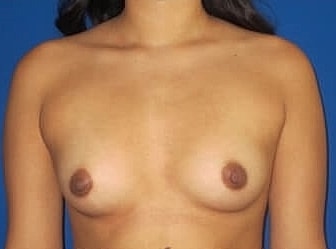
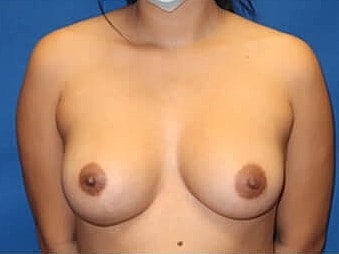
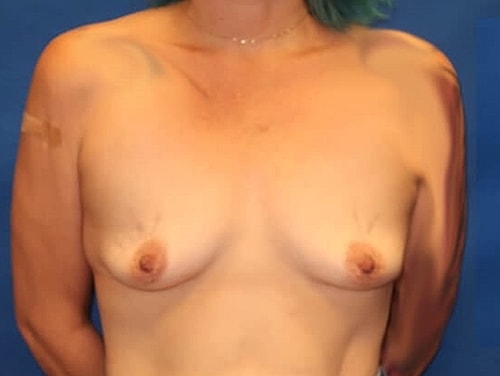
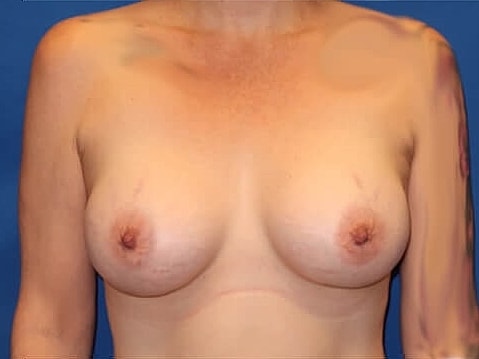
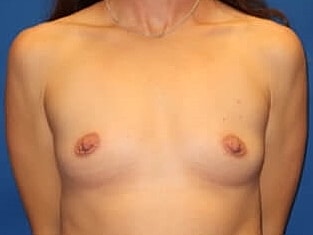
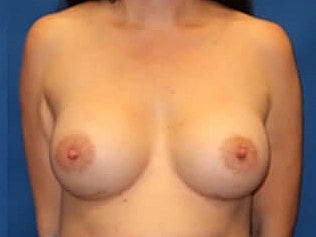
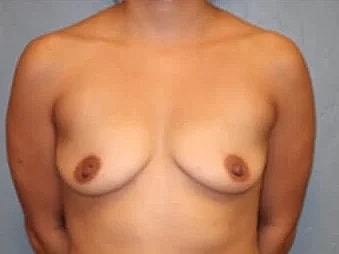
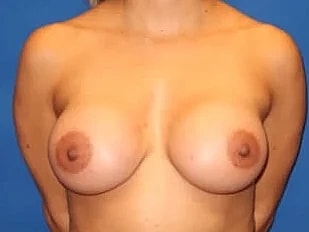
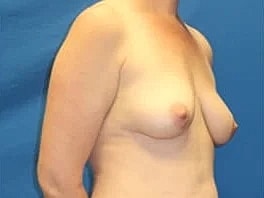
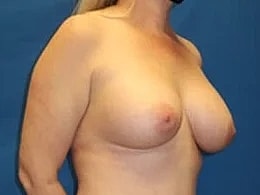
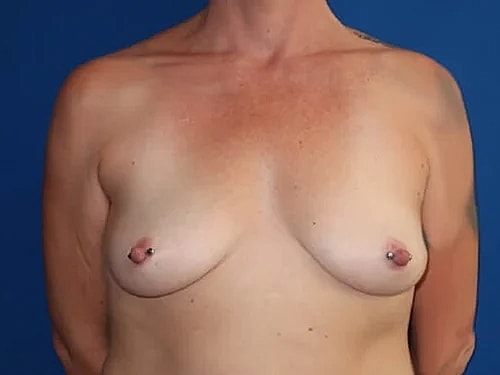
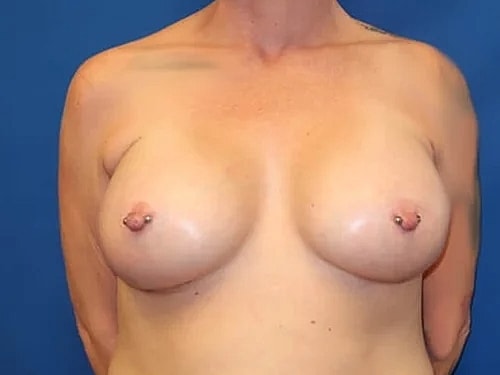
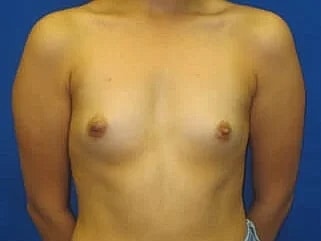
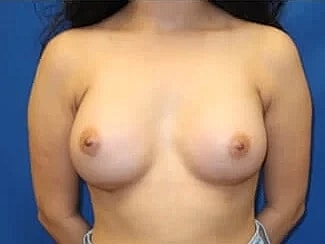
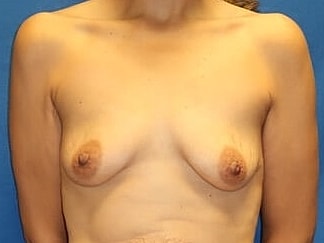
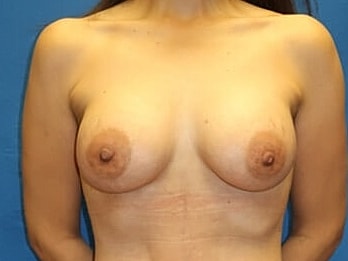
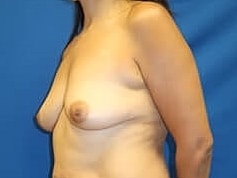
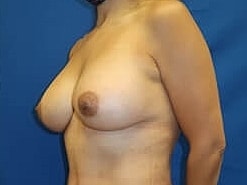
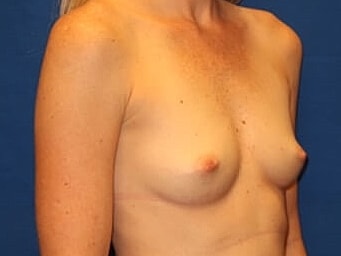
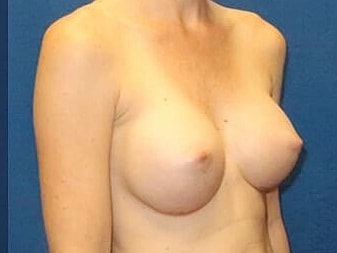
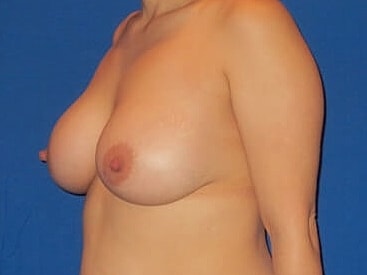
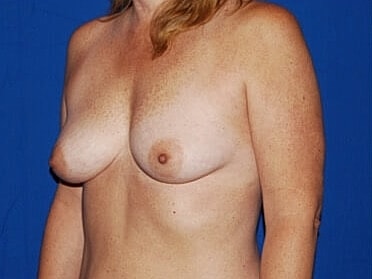
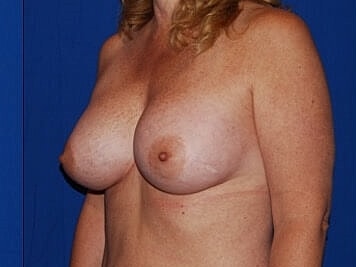
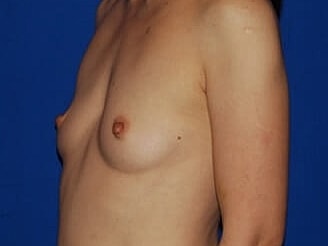
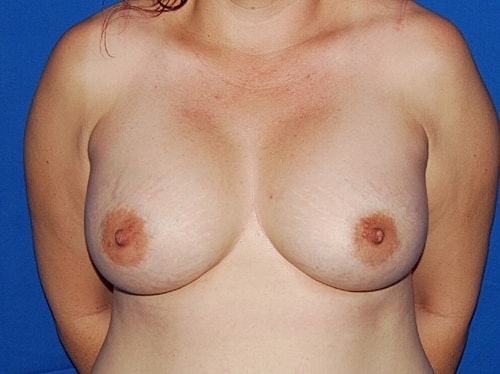
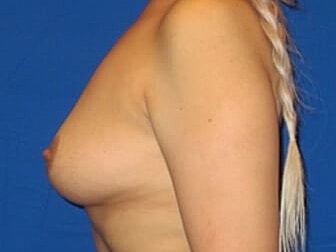
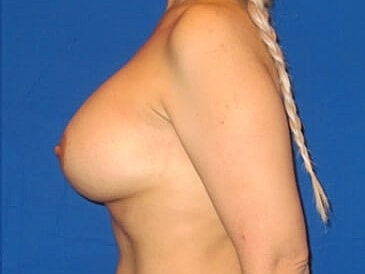
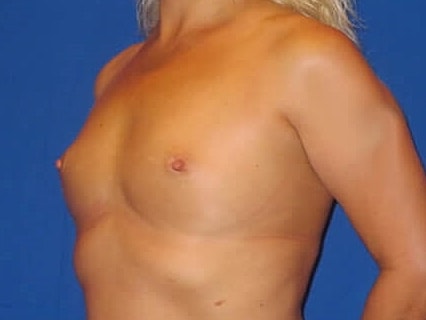
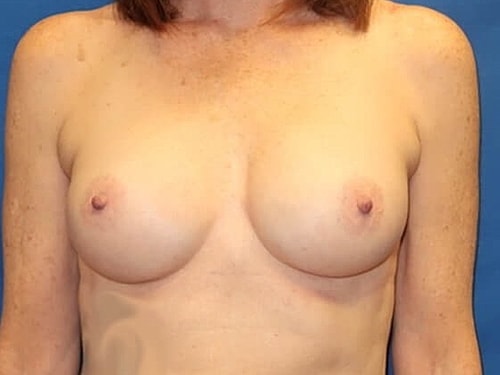
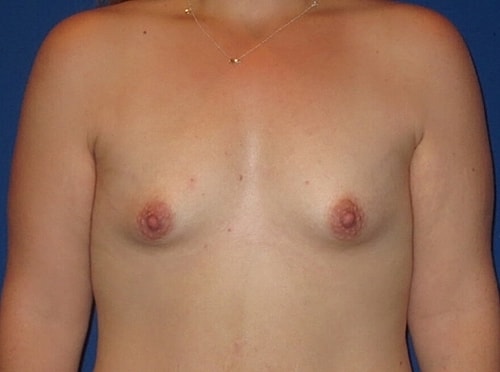
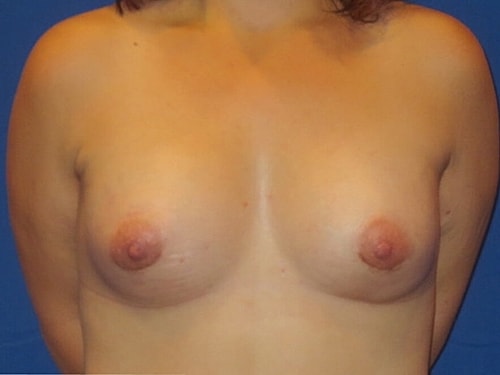
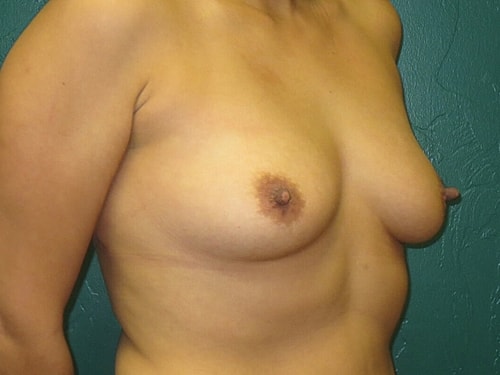
Breast Augmentation
Tucson, AZ

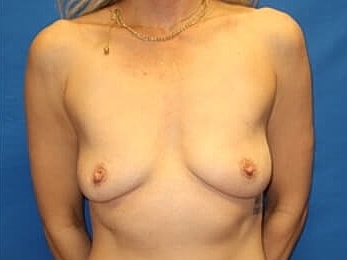
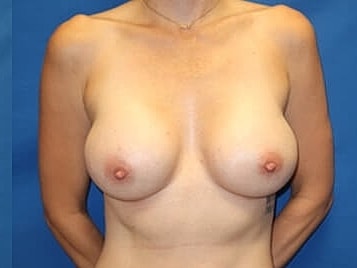
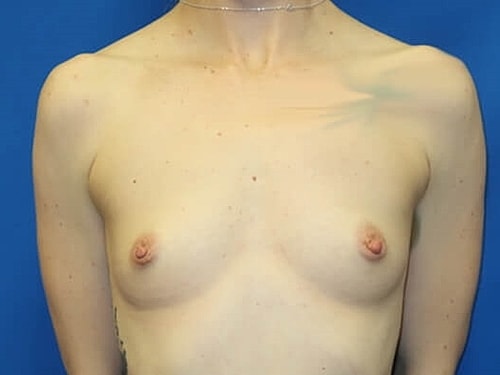
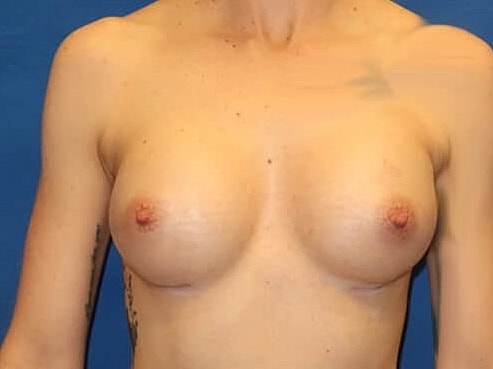
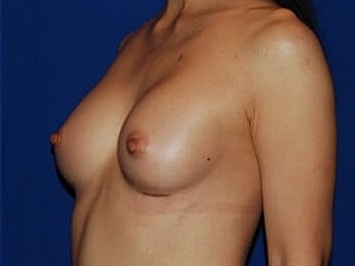
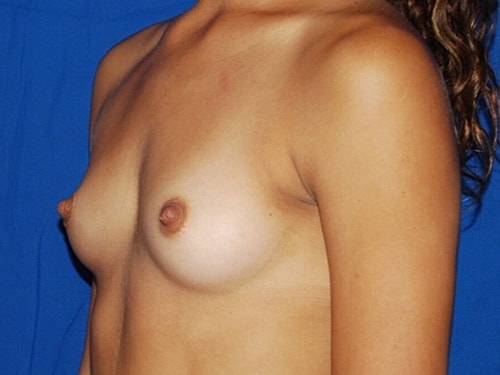
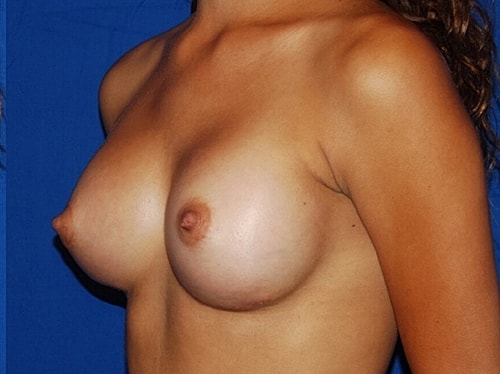
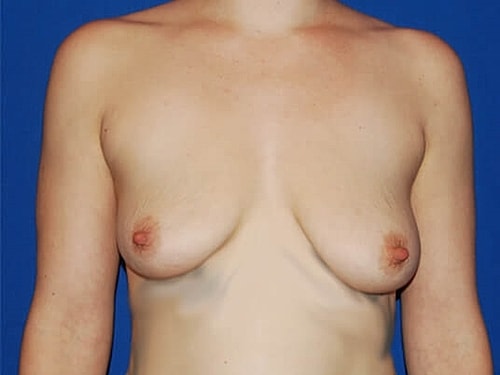
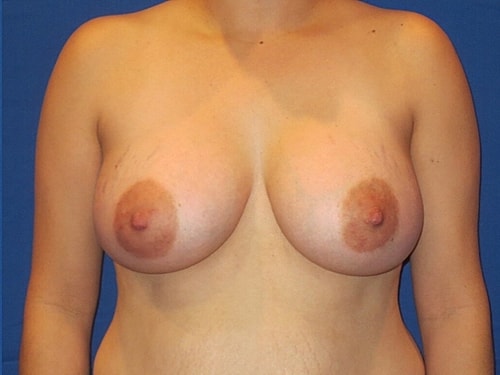
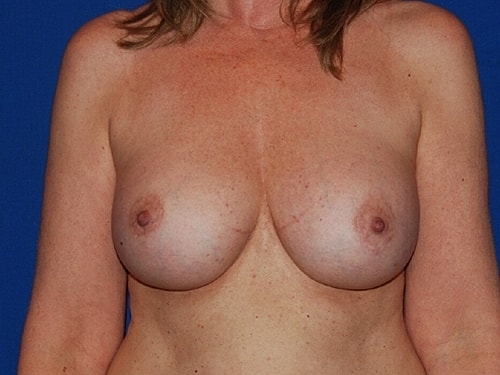
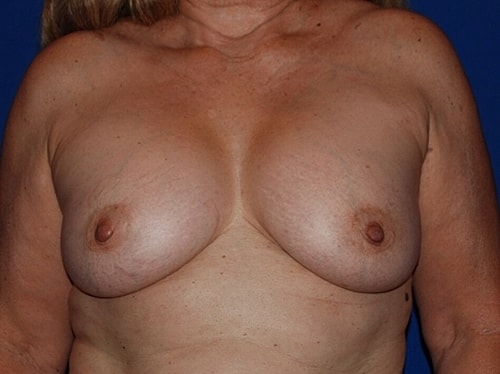
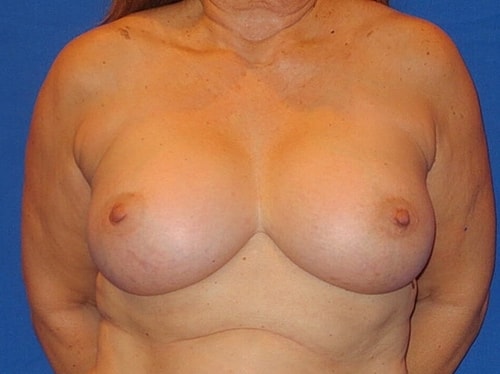
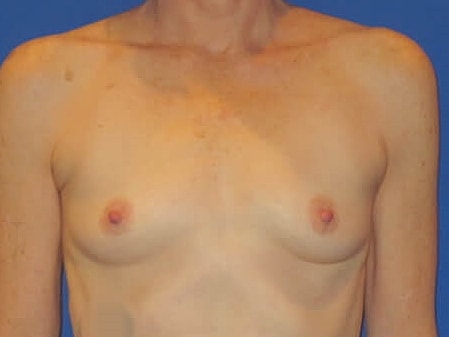
There is no single “right” breast augmentation. The implant that looks natural on one person may be completely wrong for another because breast width, existing tissue, chest shape, skin quality, and personal goals all affect the result. At James Rough, M.D. Plastic Surgery in Tucson, Dr. James Rough plans breast augmentation around those details rather than starting with a cup size or a standard implant. Whether you want to restore volume you’ve lost or create more fullness than you’ve naturally had, the goal is a result that fits your proportions and feels like a thoughtful choice for you.

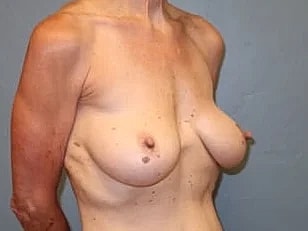
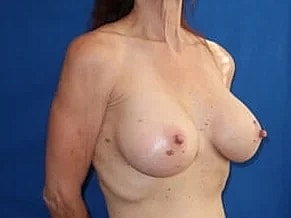
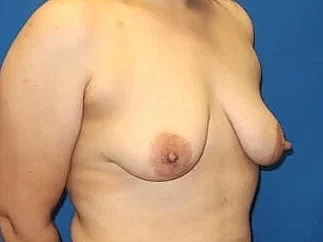
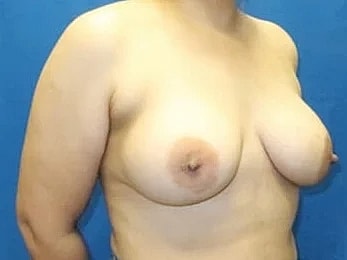
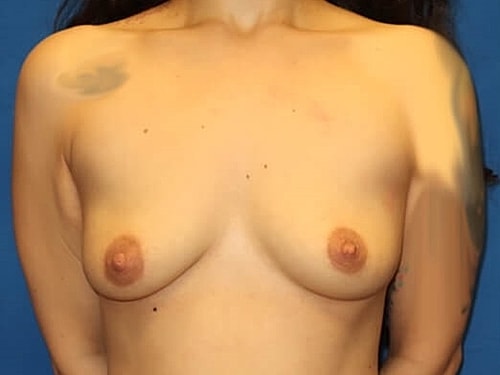
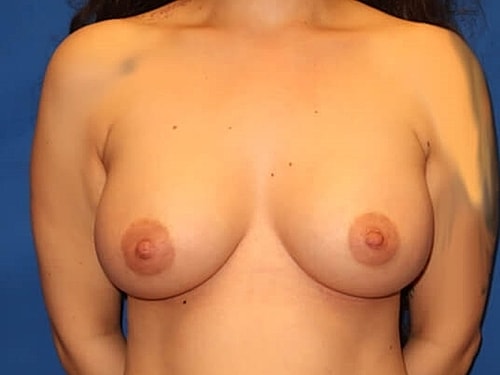
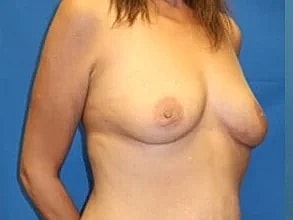
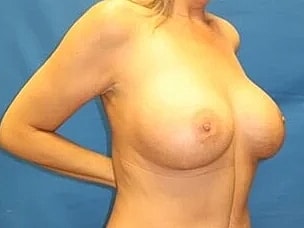
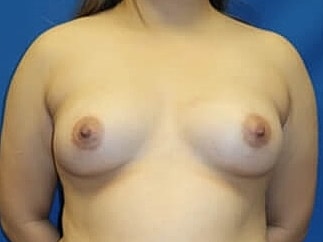
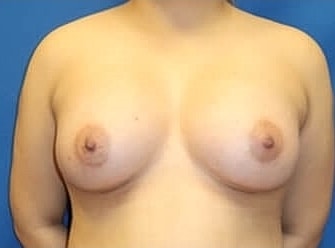
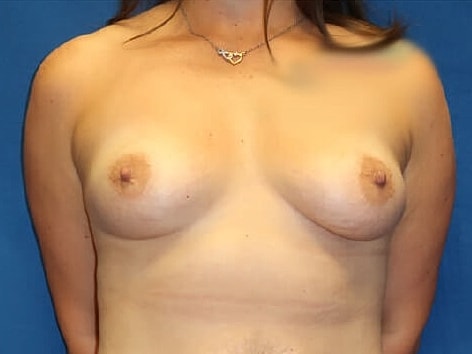
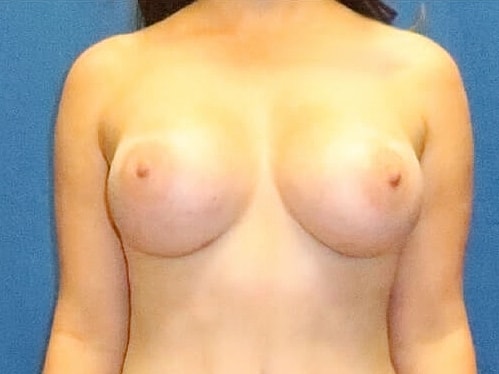
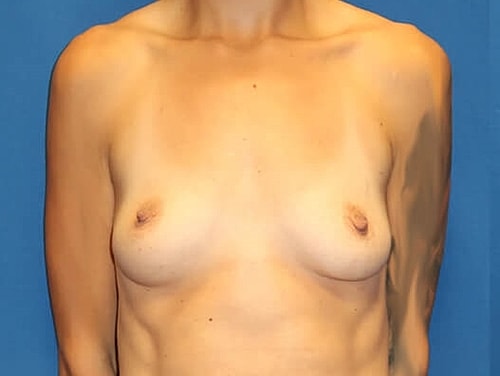
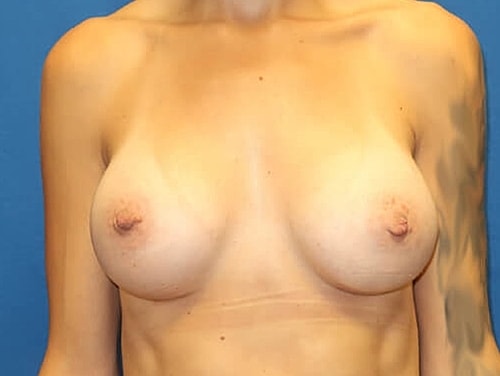
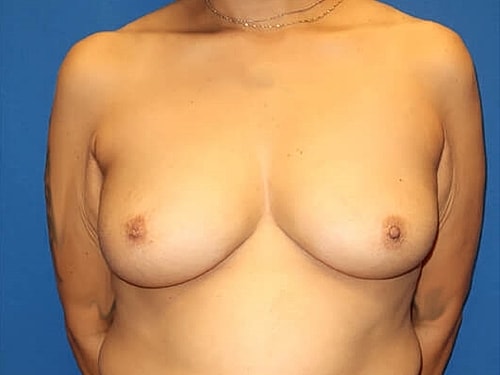
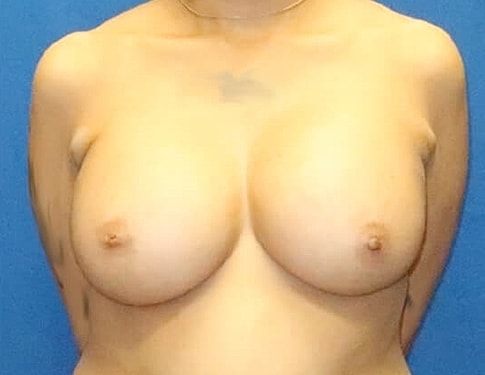
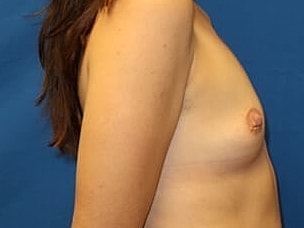
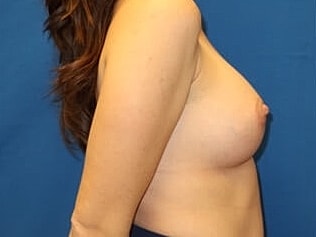
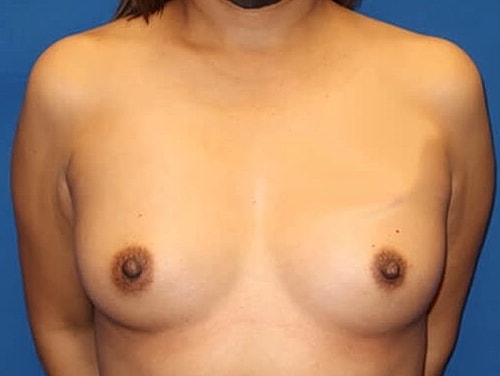
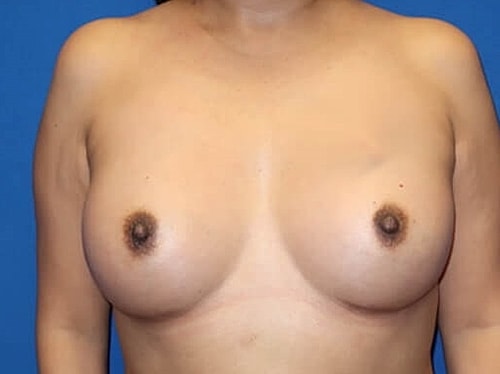
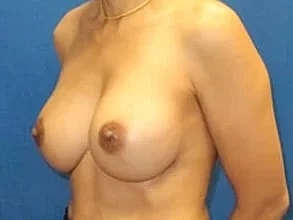
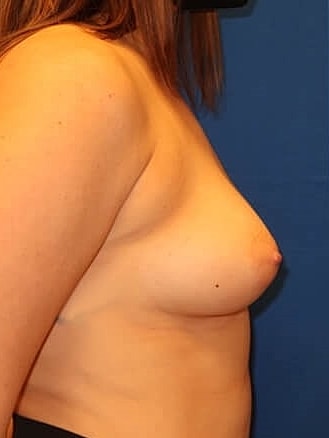
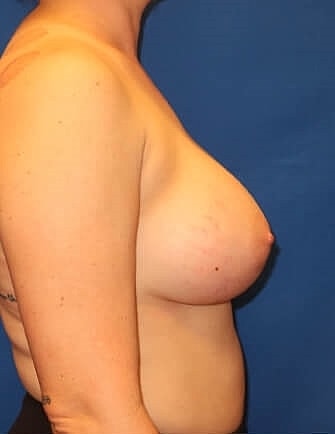
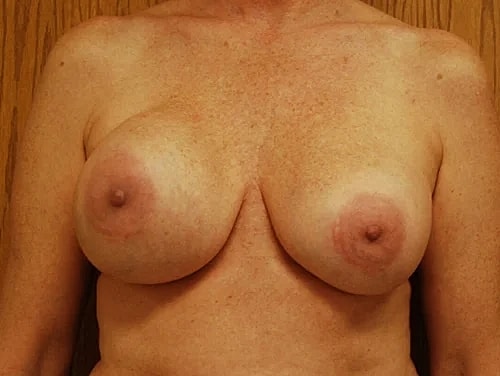
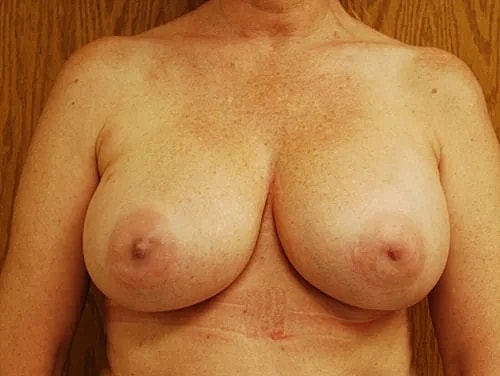
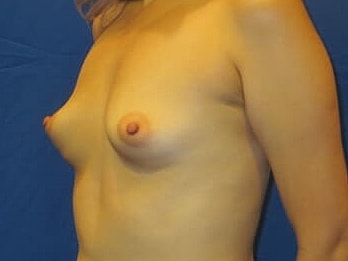
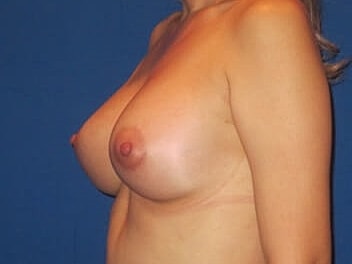
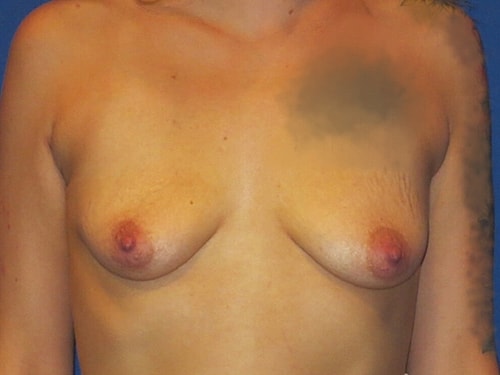
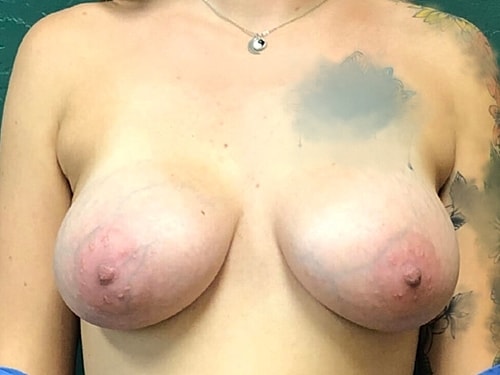
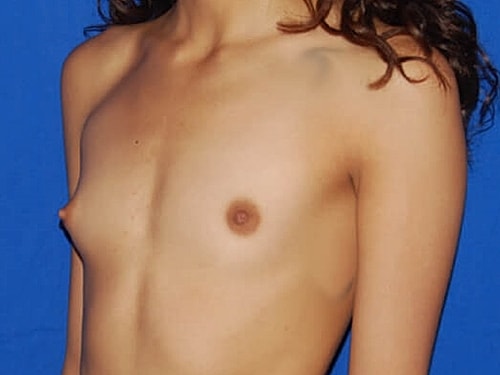
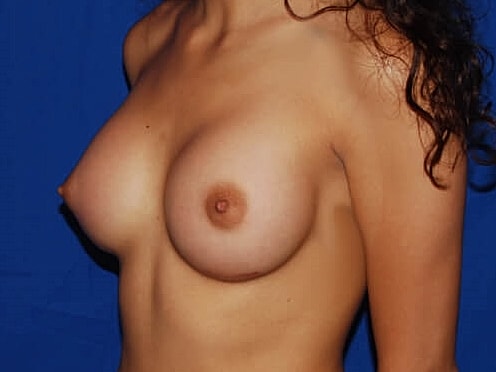
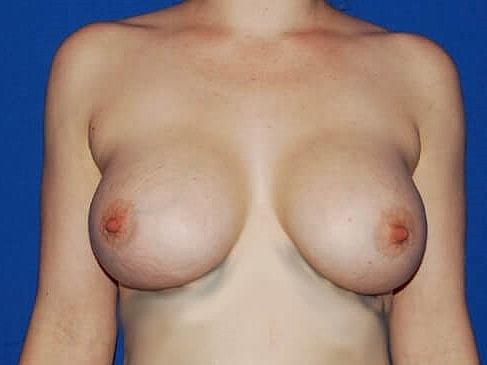
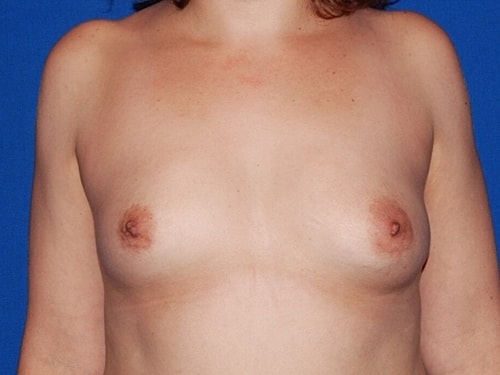
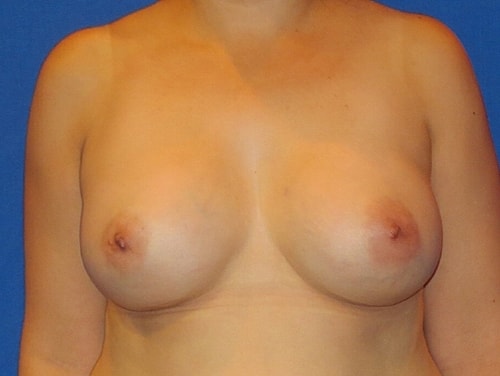
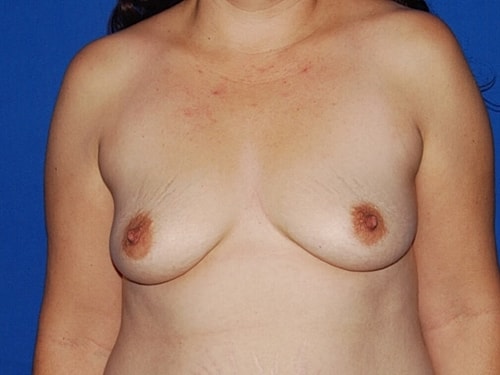
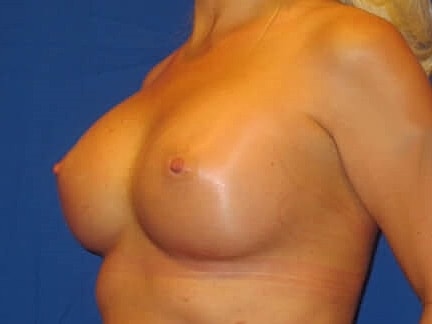
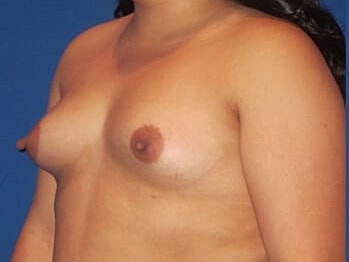
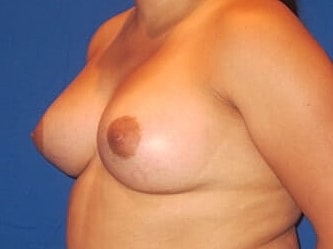
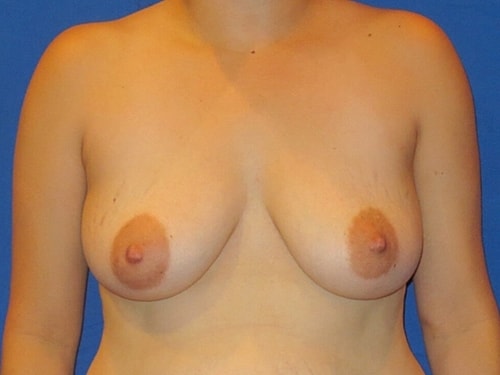
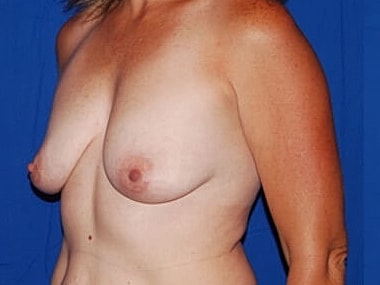
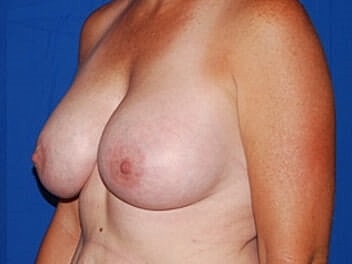
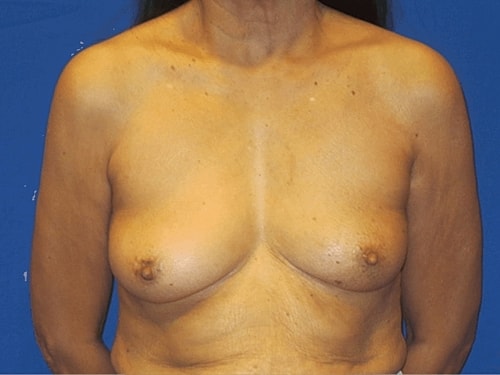
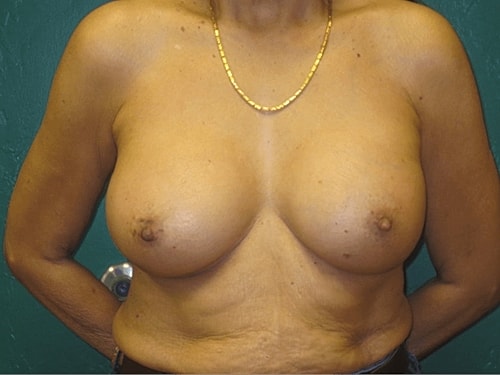
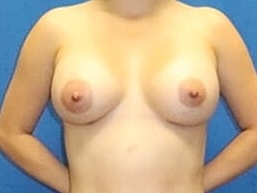
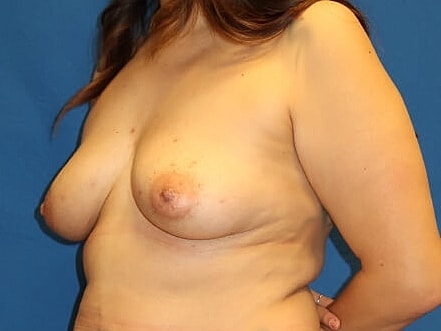
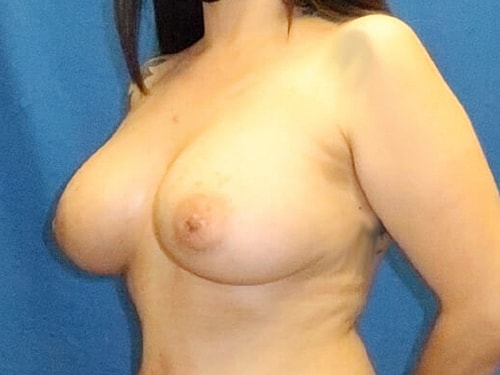
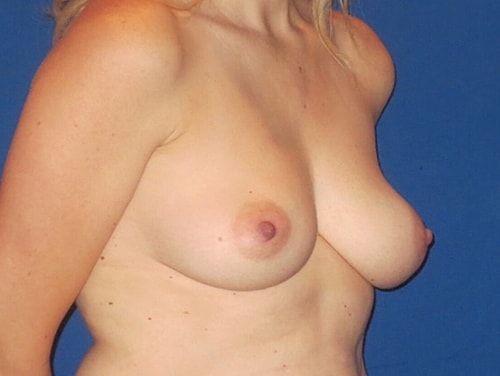
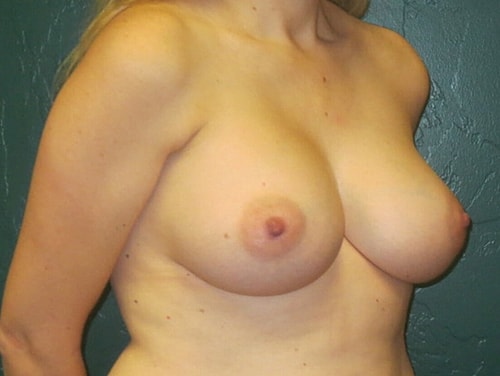
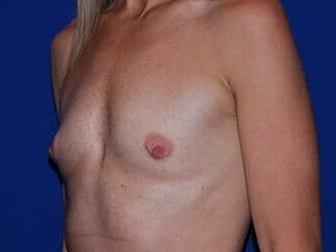
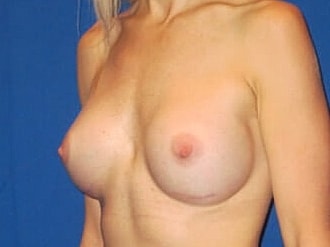
Breast augmentation, also called augmentation mammoplasty, is a surgical procedure that increases breast volume and changes breast shape using breast implants or, in selected patients, fat grafting. Augmentation can add fullness to the upper breast, improve symmetry, restore volume after pregnancy or weight loss, or help your proportions feel more balanced. The goal is not just to pick bigger implants. Dr. Rough looks at how the enhancement will work with your natural tissue and overall shape.
Women consider breast augmentation for many different reasons, including:
Augmentation can increase volume, but it does not fix every change in breast position or skin quality.
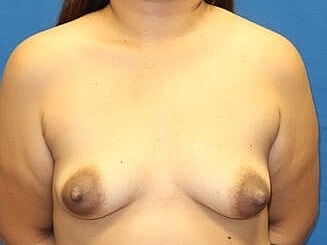
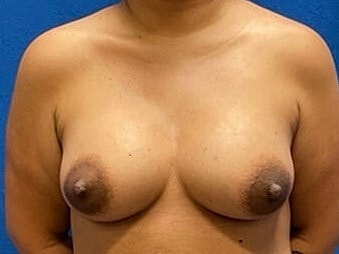
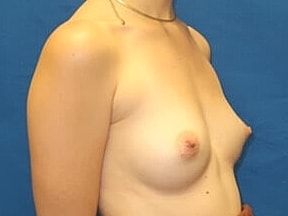
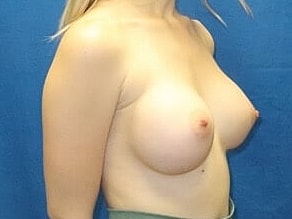
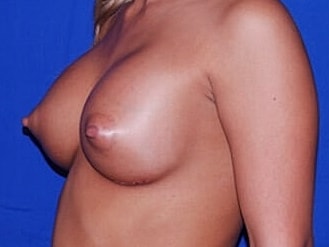
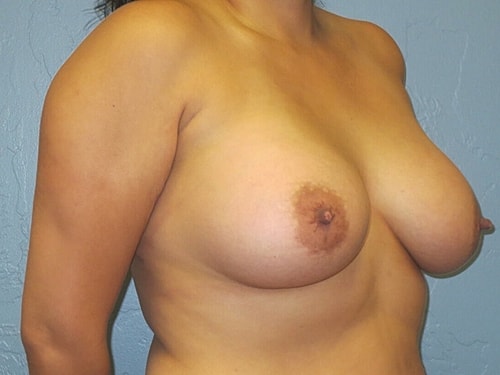
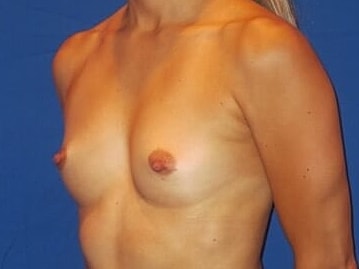
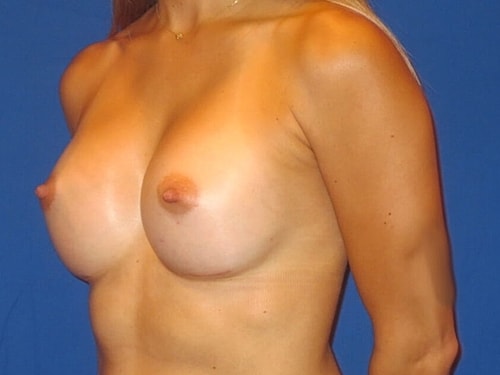
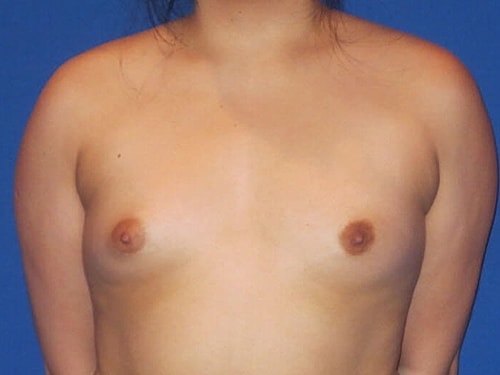
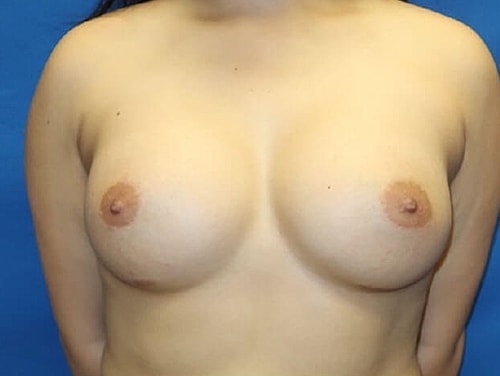
Breast augmentation can add volume, improve projection, restore fullness, and help with some types of asymmetry. Choosing the right implant can also give you a rounder, fuller, or more natural breast shape, depending on what you want.
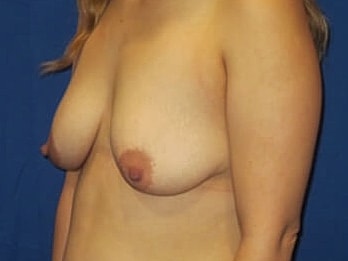
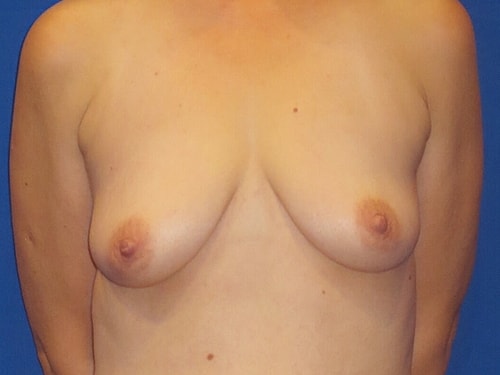
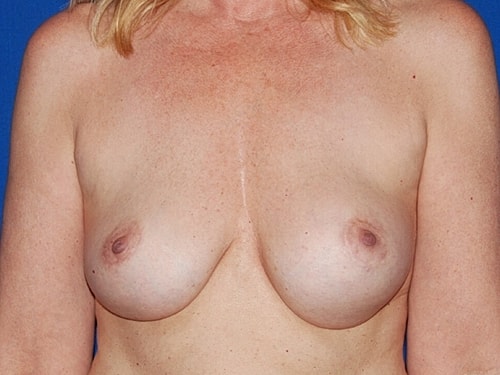
Implants don't lift breasts that have a lot of sagging. They also can't guarantee a specific cup size or make natural differences between breasts go away completely. Pregnancy, breastfeeding, aging, gravity, and future weight changes can still affect your breasts after surgery. If loose skin or a low nipple position is the larger concern, a breast lift may be more appropriate.
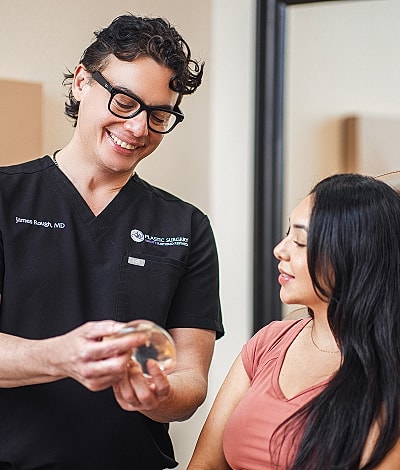
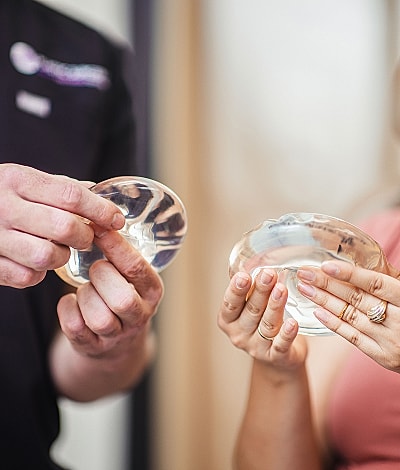
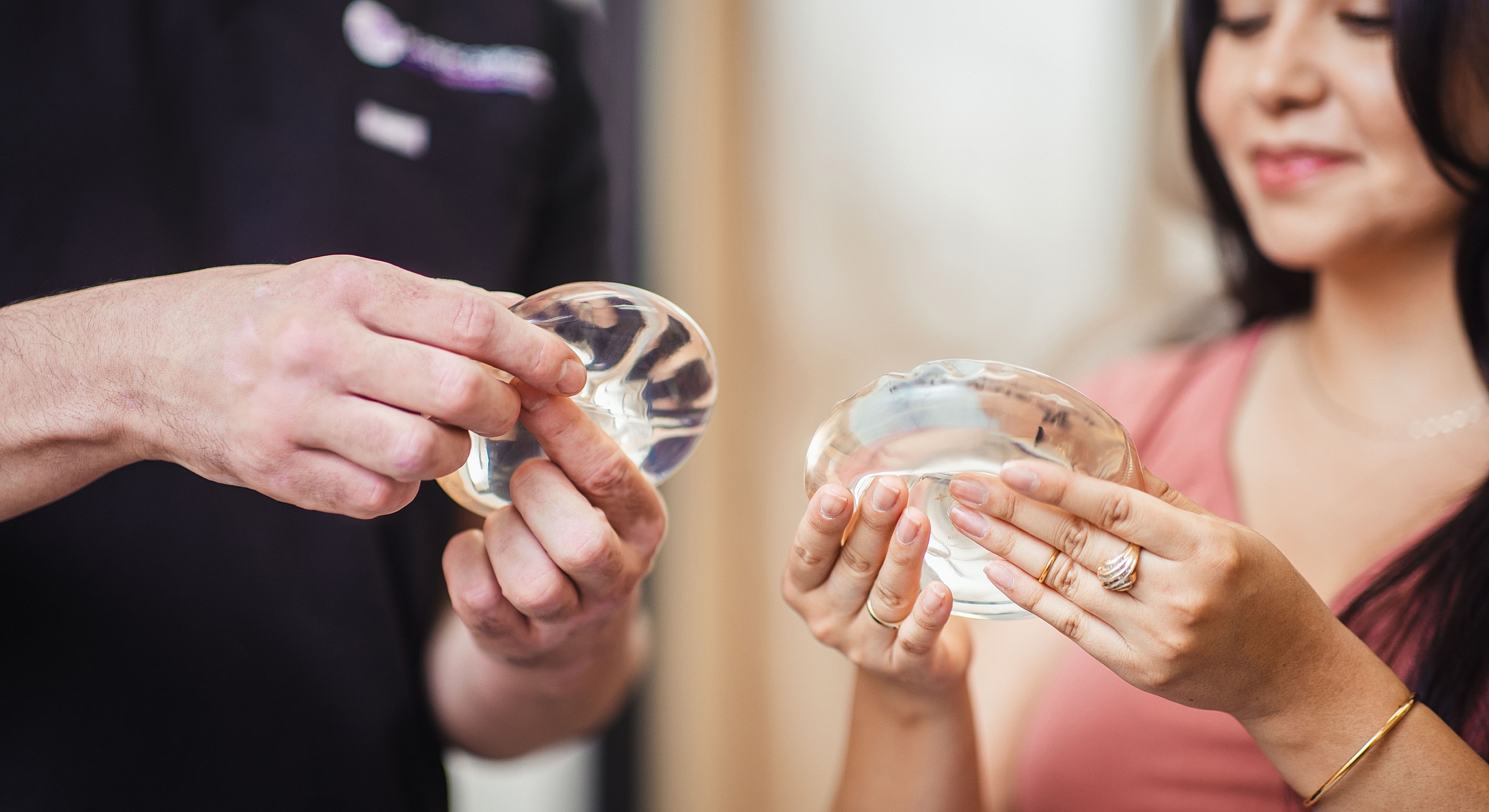
Breast implants come in different materials, feels, sizes, shapes, and profiles. Dr. Rough will go over these options with you during your consultation to make sure the implant matches your body and your goals.
Saline implants have a silicone shell filled with sterile saltwater. Because they are filled after placement, their volume can be adjusted during surgery. If a saline implant ruptures, the breast usually loses volume and the body safely absorbs the saline.
Silicone implants come pre-filled with silicone gel and are often chosen for their soft, natural feel. Because a silicone rupture may not always cause an obvious change in breast shape, long-term implant monitoring is important.
Sometimes called gummy bear implants, these contain a more cohesive silicone gel designed to hold its form. Different implant shapes and profiles allow Dr. Rough to adjust projection and fullness according to the patient's frame.
Cup size is not the only factor in choosing the right implant. Breast width, your natural tissue, chest size, skin quality, implant profile, and your goals all play a part. Picking an implant that is too large for your tissue can also affect how natural your results look and feel over time.
Implants can be placed above the chest muscle, under the muscle covering, or beneath the chest muscle, depending on what is best for you. The amount of natural breast tissue, implant size, your anatomy, and your lifestyle all affect this choice. Dr. Rough will decide on the best approach as part of your surgical plan.
Common breast implant incision options include an inframammary incision within the fold beneath the breast, a periareolar incision around part of the nipple and areola, or a transaxillary incision within the armpit. The best incision for you depends on your anatomy, the type and size of implant, placement, and your surgical plan. Dr. Rough will talk through the pros and cons of each option instead of using the same approach for everyone.
Breast implants provide a predictable range of sizes and are generally the better option when a more noticeable increase in volume is desired. Fat transfer uses liposuction to harvest fat from another area of the body, process it, and place it into the breasts.
Fat grafting may be a good choice if you want to use your own tissue and prefer a smaller increase in size. The amount of added volume depends on how much donor fat you have and how much of it stays after the transfer. Dr. Rough can help you decide if implants, fat transfer, or another option is right for you.
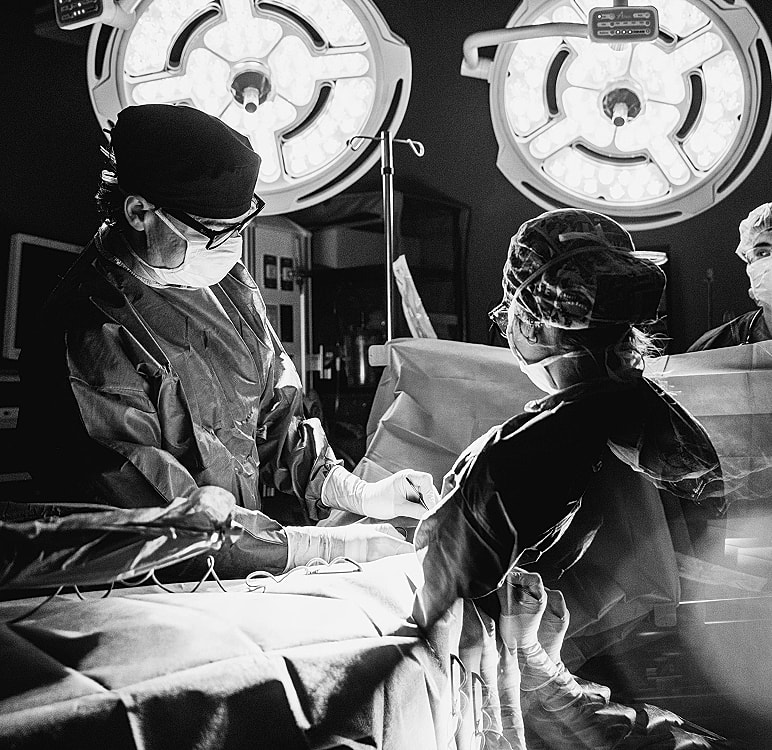
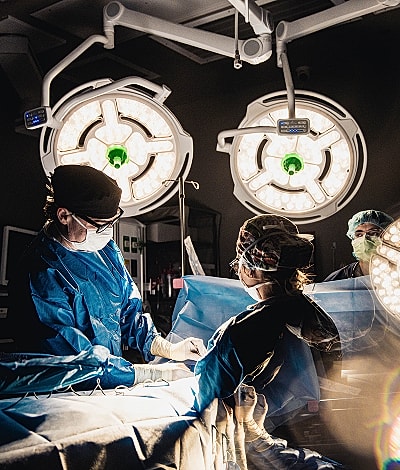
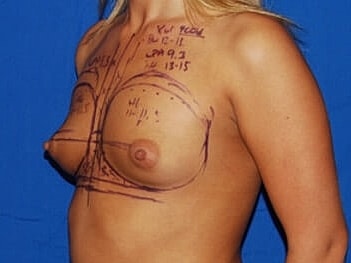
Your breast augmentation surgery is planned just for you before you go into the operating room.
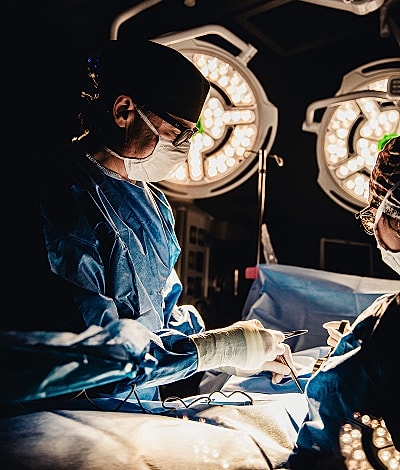
Dr. Rough will choose the implant, incision, and placement based on the plan you made together during your consultation. During surgery, he creates the planned incision and carefully develops a pocket for the implant. Once the implant is positioned, he checks the breasts for shape, proportion, and symmetry before closing the incisions.
Breast augmentation benefits may include:
For some women, feeling more comfortable with their body proportions can boost self-confidence. It's important that results match your natural anatomy to look balanced.

The answer depends on what has changed. Breast augmentation adds volume. A breast lift removes excess skin and raises breast tissue and nipple position. If your breasts are in a good position but need more volume, augmentation alone might be right for you. If sagging is your main concern and you like your current size, a lift could be the better choice. If you have both volume loss and sagging, you may benefit from having both procedures together.
You may be a good candidate if you are healthy, have a stable weight, and want fuller breasts or a different shape. It's important to have realistic expectations about the surgery, scars, implants, recovery, and long-term care. Women who are pregnant or breastfeeding should wait. Dr. Rough will also review nicotine use, medical history, medications, previous breast surgery, and any concerns that could affect healing.
Before surgery, Dr. Rough will give you instructions based on your medical history and the procedure you are having. You may need to review your medications and supplements, stop using nicotine, arrange for a ride home, and plan for a few days of lighter activity. Carefully following these instructions helps you heal and lowers the risk of problems.
You can expect some soreness, tightness, and swelling in the first few days. Wearing a supportive bra or garment can help reduce swelling and support your breasts as they heal. Most people can go back to desk work in about a week, but recovery times can vary. You can slowly add light activity, but heavy lifting, chest exercises, and strenuous activities should wait about 4 to 6 weeks or until Dr. Rough says it's okay. Your implants will need time to settle into their final position, so your breasts' early shape is not the final result.
Breast augmentation carries the risks associated with surgery and breast implants. These can include bleeding, infection, scarring, changes in breast or nipple sensation, asymmetry, implant malposition, rippling, capsular contracture, implant rupture or deflation, and the possibility of revision surgery. Capsular contracture occurs when scar tissue around an implant becomes unusually tight. Breast implants are also associated with rare implant-specific conditions that are discussed as part of informed consent. Dr. Rough will go over the risks that apply to your procedure before surgery, so you can make an informed choice.
Your breasts will look fuller right after surgery, but swelling and implant position will keep changing as you recover. Over the next few weeks and months, swelling will go down and the implants will settle. Keeping your weight steady can help maintain your results. Pregnancy, breastfeeding, aging, and major weight changes can still affect the natural breast tissue around your implants over time.
Breast implants last a long time, but they are not meant to last forever. You do not need to replace them at a set time unless there is a reason. Future breast implant surgery may be needed if an implant ruptures, capsular contracture develops, the implant changes position, or you decide you want a different size or shape. For silicone implants, current FDA guidance recommends an ultrasound or MRI beginning about 5–6 years after surgery and every 2–3 years afterward to screen for silent rupture.
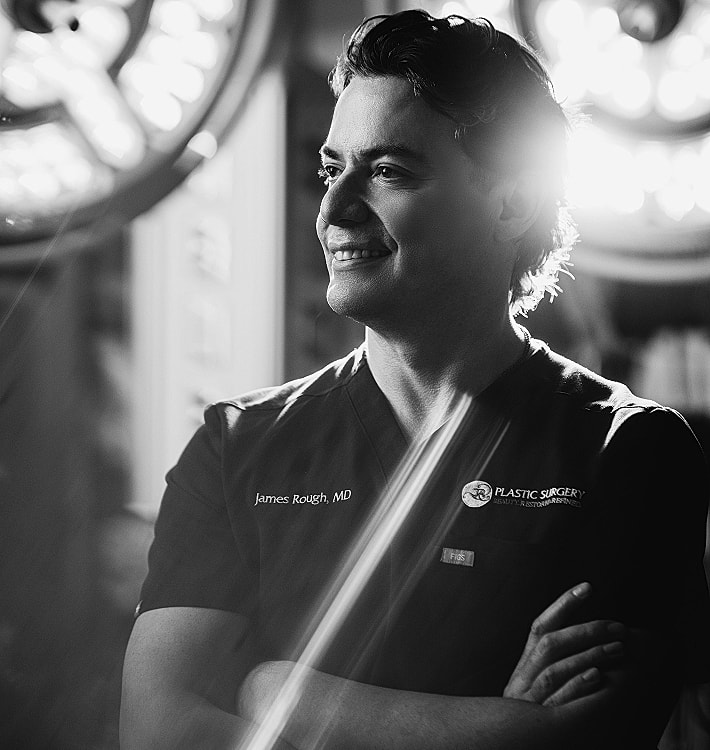
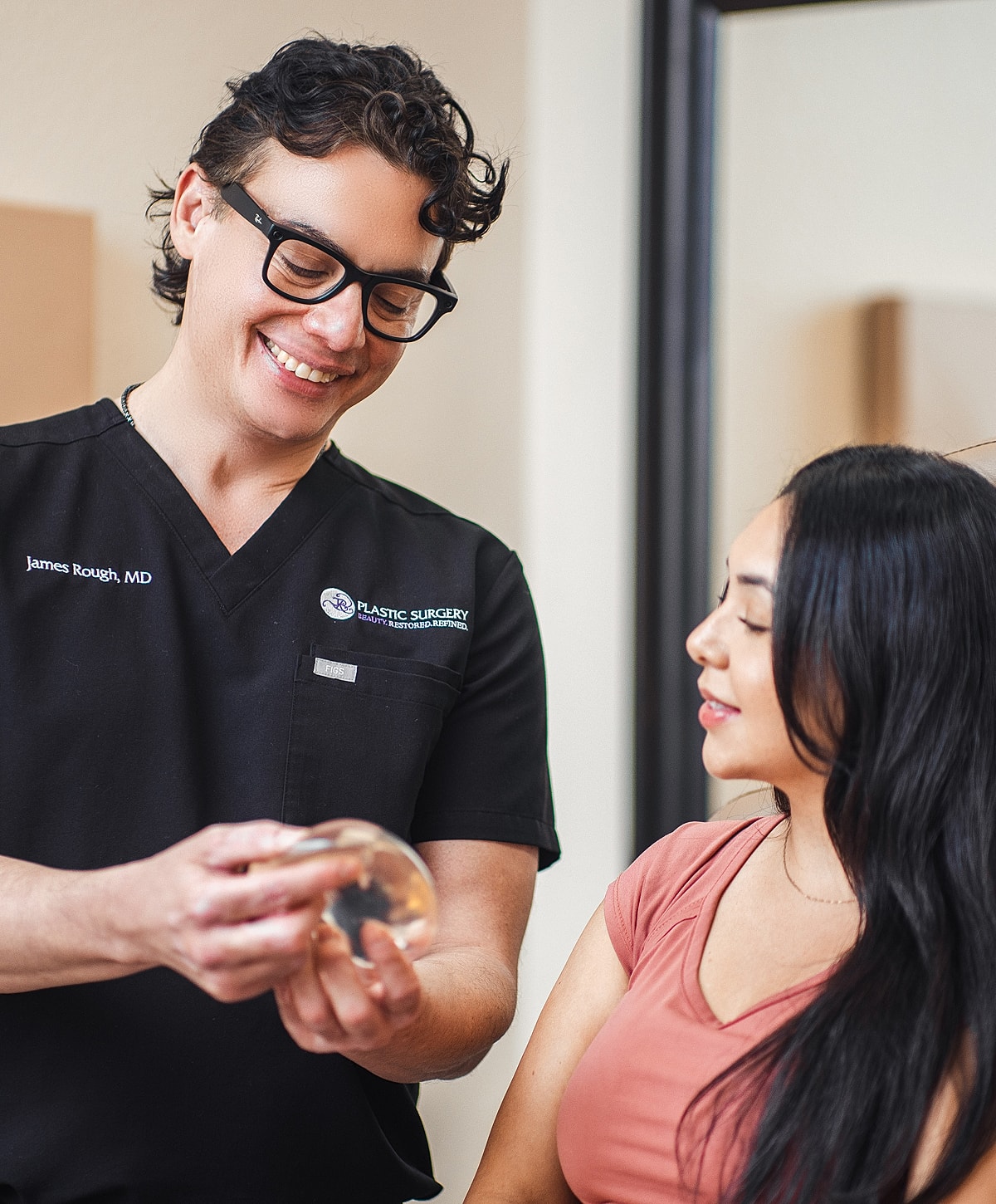
Dr. James Rough is certified by the American Board of Plastic Surgery and completed his plastic surgery residency at UCLA, followed by fellowship training in microsurgery. His experience includes aesthetic breast surgery as well as implant-based breast reconstruction. Dr. Rough's reconstructive experience gives him a deep understanding of breast tissue, healing, implant coverage, and how breasts change with implants. During your consultation, he’ll listen to what you want, explain your options, and recommend an approach that fits your body, not just your desired size.
Choosing breast implants is about more than just picking a size. At your consultation, Dr. Rough will look at your natural breast tissue, chest size, skin quality, symmetry, and goals, and explain which implant type, size, placement, and incision options are right for you. You can also talk about whether augmentation alone is right for you, what to expect during recovery, and how to monitor your implants over time. Schedule your consultation with Dr. Rough in Tucson to get a personalized surgical plan.
1 of 58
Breast augmentation cost varies with the type of implant, surgical plan, facility and anesthesia needs, and whether another procedure is performed at the same time. Once Dr. Rough creates your treatment plan, his team can provide a personalized estimate and discuss available financing options.
Neither type is right for everyone. Silicone implants are often preferred for their natural feel, while saline implants allow the surgeon to adjust fill volume during surgery and visibly deflate if the shell ruptures. Dr. Rough can explain the advantages and tradeoffs based on your anatomy and goals.
Implant sizing considers more than cup size. Dr. Rough looks at breast width, chest dimensions, natural breast tissue, skin quality, implant profile, and the amount of fullness or projection you want.
Many women can breastfeed after breast augmentation, but no surgical technique can guarantee future breastfeeding ability. Tell Dr. Rough if breastfeeding is important to you so incision and placement considerations can be discussed before surgery.
If a saline implant ruptures, the sterile saltwater is absorbed by the body and the breast typically loses volume. Silicone implant rupture may be less obvious, which is why routine imaging is recommended to monitor silicone implant integrity.
Yes. Current FDA recommendations advise an initial ultrasound or MRI about 5–6 years after silicone implant placement, followed by screening every 2–3 years, even when there are no symptoms.
Breast augmentation can improve certain types of asymmetry. Different implant sizes or other adjustments may sometimes be used when one breast has less volume, although perfect symmetry cannot be guaranteed.
There is no fixed expiration date. Breast implants are not lifetime devices, and revision surgery may eventually be needed because of rupture, capsular contracture, position changes, aging of the surrounding breast tissue, or a change in your aesthetic preferences.