Blepharoplasty
In Tucson, AZ

In Tucson, AZ
Your eyes can look tired or heavy even when you feel wide awake. Excess skin has settled over the upper eyelids, or bags under the eyes create shadows that don’t improve with sleep or skin care. Blepharoplasty allows Dr. James Rough to address the specific feature causing the concern. He carefully evaluates the eyelids, brow position, and surrounding tissues before creating a surgical plan that refreshes your appearance without changing the natural character of your eyes.
READY TO GET STARTED?

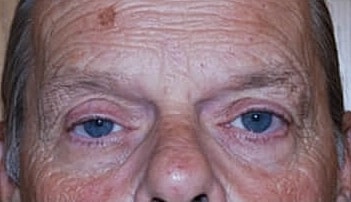
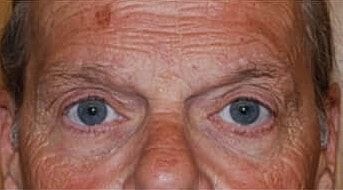
Blepharoplasty is a facial plastic surgery procedure that removes excess skin and addresses displaced or bulging fat around the eyes. This eyelid surgery may be performed on the upper eyelids, lower eyelids, or both.
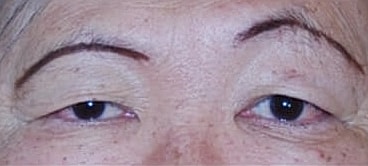
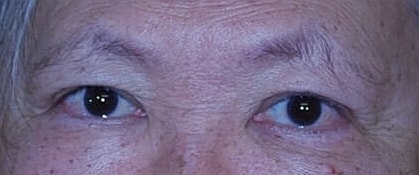
Many patients choose blepharoplasty as a cosmetic procedure because hooded eyelids or under-eye bags make them look older or more tired than they feel. Upper eyelid surgery may also correct functional problems when sagging skin extends far enough to limit the visual field.
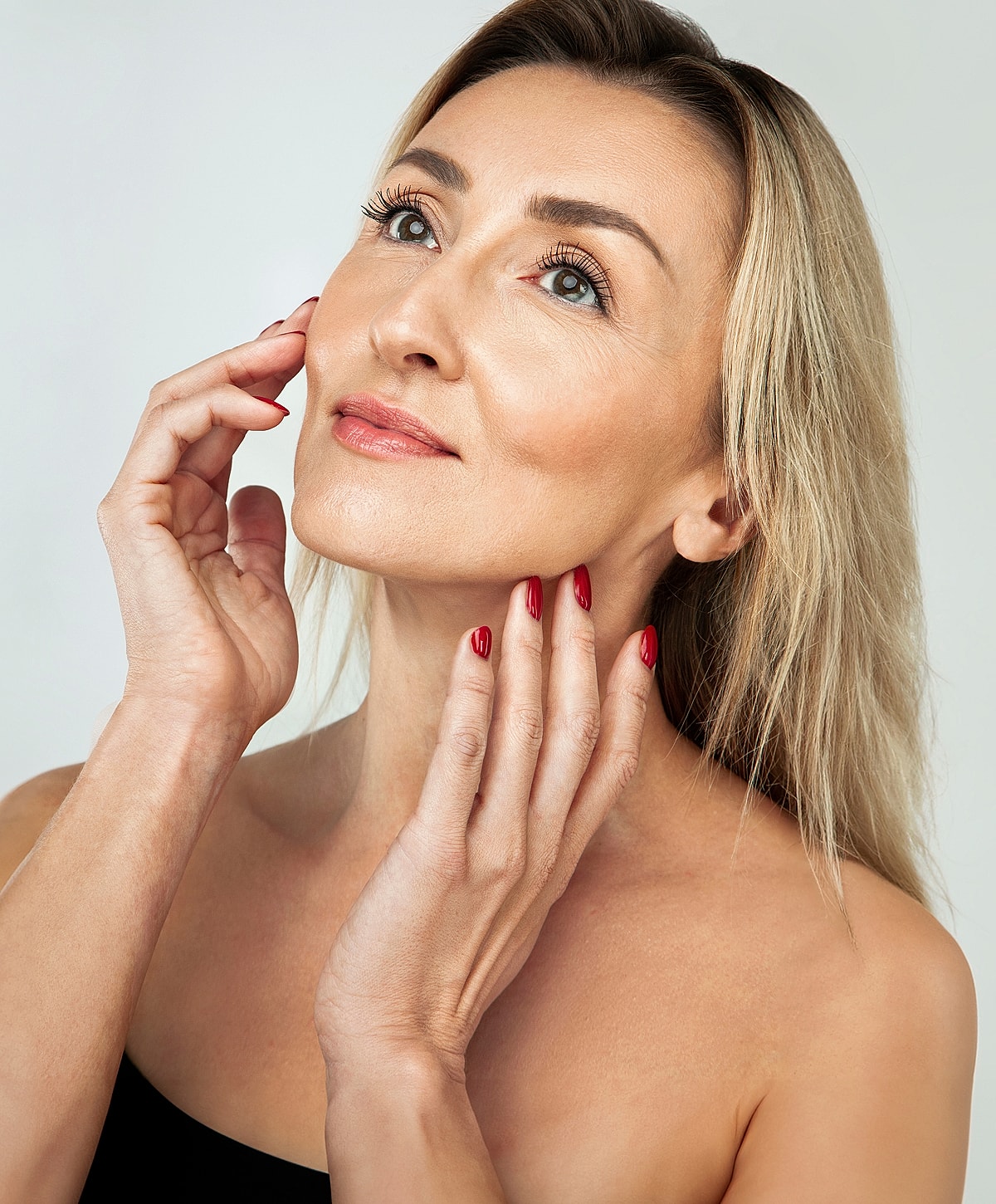
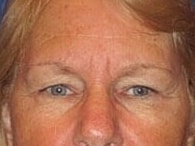
Eyelid skin is thin and changes easily with age. As the skin loses elasticity, extra skin can collect along the upper lid or lower lid. Fat that once sat deeper around the eye may also become more visible, creating puffiness or bags.
Genetics play a large role, so some people develop hooded upper eyelids or under-eye bags at a younger age. A descending brow can add heaviness above the eyes, while true eyelid ptosis causes the upper lid edge itself to sit too low. These concerns may look similar in the mirror, but they don’t always require the same treatment.
Upper blepharoplasty removes excess eyelid skin through an incision placed within the natural crease of the upper lid. Dr. Rough may also remove excess fat when puffiness contributes to the concern. Once healed, the incision is well concealed when the eyes are open.
Upper eyelid surgery can improve hooding, restore visible lid space, and soften the heavy appearance created by sagging upper eyelids. Many patients also find it easier to apply eye makeup once excess skin no longer folds over the upper lid.
Droopy eyelids can sometimes block the upper or outer field of vision. Removing excess eyelid skin may provide a clearer visual field while also improving the appearance of the eyes.
Tucson Blepharoplasty patients with significant visual impairment may need visual field testing or documentation from an eye care provider. Insurance may cover functional upper eyelid surgery when the condition meets the requirements of the patient’s policy, but coverage is never guaranteed.
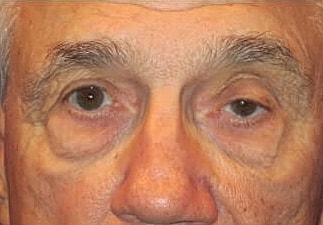
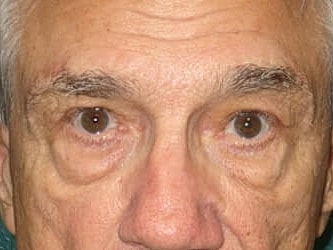
Lower eyelid surgery addresses bags beneath the eyes, protruding fat, and selected areas of loose skin. Dr. Rough may remove or reposition fat to create a smoother transition between the lower eyelids and upper cheeks.
A lower eyelid blepharoplasty can use an incision just below the lash line or a transconjunctival incision hidden inside the lower lid. The external approach allows excess skin to be removed. An internal incision can address fat without creating a visible skin incision. Dr. Rough selects the technique after evaluating the amount of excess fat, skin quality, and lower lid support.
Patients with concerns affecting the upper and lower eyelids may have both treated during one procedure. Combined eyelid surgery creates a balanced improvement and allows the patient to complete one recovery period.
Tucson Blepharoplasty surgeon, Dr. Rough offers awake upper eyelid surgery to selected patients at his Tucson, AZ, practice. Local anesthesia numbs the eyelids, while additional comfort medication may help the patient relax. This approach can avoid general anesthesia in appropriate cases. Candidacy depends on the extent of surgery, medical history, and personal comfort.
Upper-eye heaviness can come from the eyelid skin, brow position, or the mechanism that lifts the eyelid. Blepharoplasty removes excess skin from the upper eyelids. A brow lift raises sagging eyebrows that contribute to hooding. Ptosis repair addresses weakness or stretching in the muscle responsible for lifting the upper lid.
Some patients have more than one concern. Dr. Rough examines the brow and upper eyelids together so the treatment plan addresses the actual source of the heaviness.
What Doesn’t Blepharoplasty Correct?
Blepharoplasty doesn’t reliably remove crow’s feet or pigmented dark circles. It also can’t lift a low brow or correct true eyelid ptosis unless another procedure is added. Shadows created by under-eye bags may improve after lower blepharoplasty, but dark circles caused by pigmentation or visible blood vessels may remain. Laser resurfacing or another skin treatment may be considered when texture or discoloration is the primary issue.
Before a blepharoplasty Tucson plastic surgeon Dr. Rough marks the planned incisions while you are upright. Upper incisions follow the natural crease. Lower incisions may sit beneath the lash line or inside the lower eyelid.
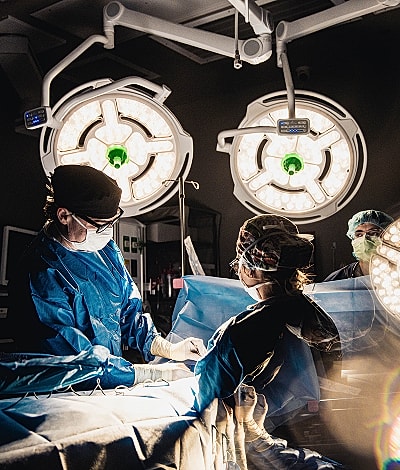
After local anesthesia with intravenous sedation or general anesthesia is administered, Dr. Rough removes excess skin and adjusts fat according to the treatment plan. Fine sutures close external incisions. Upper eyelid surgery commonly takes about 45 minutes to one hour, while combined surgery may take around two hours. Most patients return home the same day.
Blepharoplasty can:
The goal is eyelid rejuvenation that works with your natural beauty and facial proportions. Your eyes should still look like yours, only less weighed down by excess skin or puffiness.
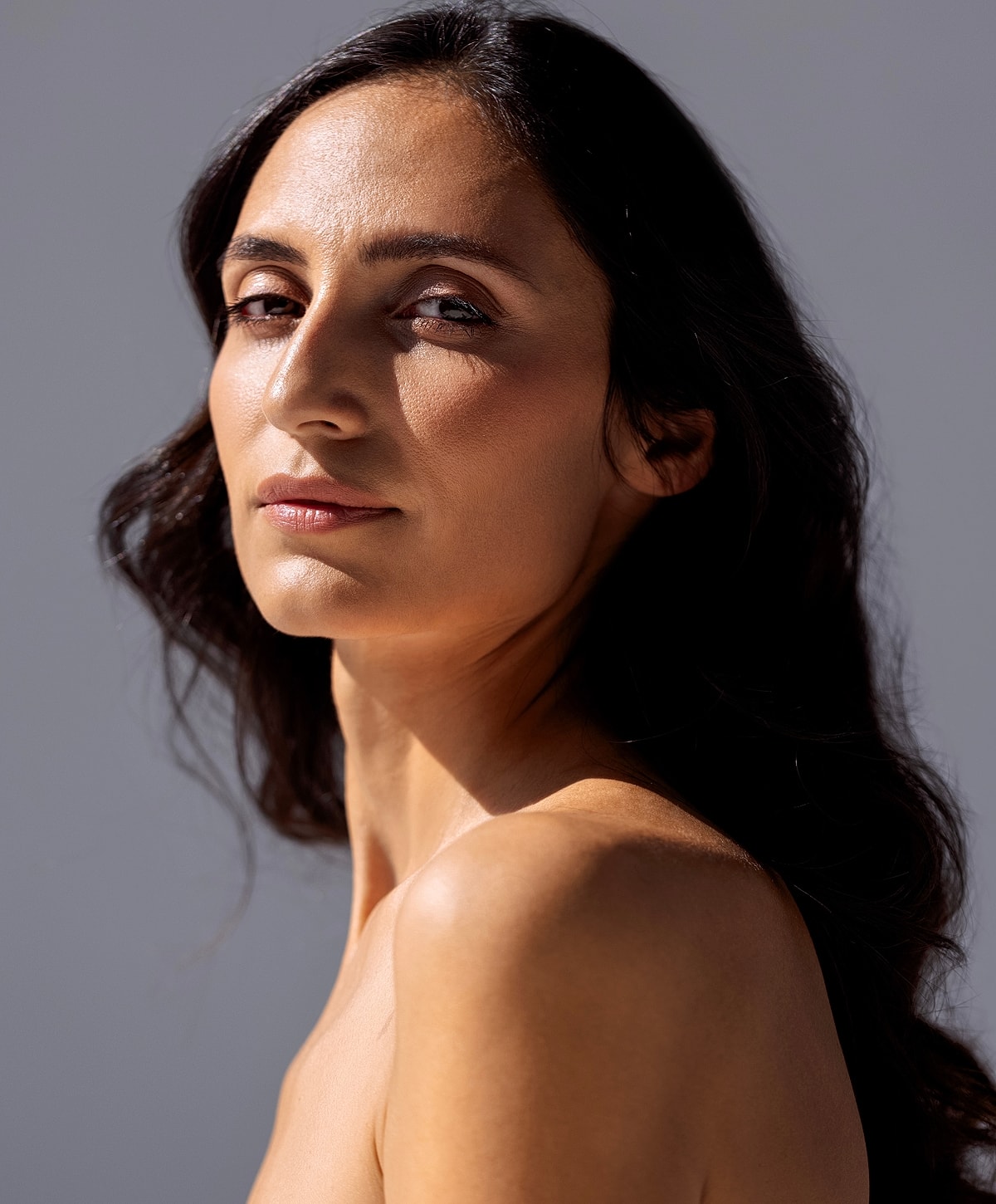
You may be a good blepharoplasty candidate if you’re in good health and bothered by excess eyelid skin, droopy eyelids, or bags under the eyes. Candidates should have realistic expectations and be willing to follow the recovery instructions.
Tell Dr. Rough if you have dry eyes, glaucoma, thyroid disease, diabetes, high blood pressure, or another condition affecting the eyes or circulation. Previous eye surgery should also be discussed. There is no single best age for blepharoplasty because genetics and anatomy are more useful than a number.
Dr. Rough will ask what bothers you about your eyes and examine the upper and lower eyelids. He will look at brow position, eyelid symmetry, and lower lid support. He’ll also review the location of under-eye fat and any hollowing beneath it.
Your blepharoplasty consultation includes a review of your medical history, medications, blood thinners, herbal supplements, and previous procedures. If excess skin may be limiting your vision, additional evaluation or visual field testing may be recommended.
You may need medical clearance or an eye evaluation before surgery. Dr. Rough will provide instructions about medications that can increase bleeding. Do not stop a prescribed blood thinner unless the prescribing clinician and surgical team approve the change.
Arrange for someone to drive you home and stay with you during the first stage of recovery. It also helps to prepare cold compresses, fill prescriptions, and set up a comfortable place where you can rest with your head elevated.
1 of 4
Swelling and bruising are expected after eyelid surgery. During the first 48 hours, cold compresses or wrapped ice packs can reduce swelling. Keeping your head elevated while resting also helps. The eyes may feel tight, watery, dry, or sensitive to light.
External sutures are commonly removed around the first week. Temporary blurred vision may occur because of ointment, swelling, or dry eyes. Dr. Rough may recommend saline eye drops or another lubricant to keep the eyes comfortable.
Most Tucson blepharoplasty patients return to work and social activities within one to two weeks. Bruising may take two to three weeks to fade fully. Eye makeup, contact lenses, bending, and strenuous exercise should wait until Dr. Rough confirms that healing is on track.
Residual swelling can continue improving for six to eight weeks or longer. Incision lines fade over several months, and scar maturation may continue for up to a year.
The eyes begin to look more open as swelling fades. Final results develop over the following months as the tissues settle, and the incisions soften. Upper eyelid surgery results can last over a decade, while lower blepharoplasty may last even longer. The procedure cannot stop the aging process, but it can create a refreshed starting point that lasts for many years.

Blepharoplasty risks can include dry eyes, infection, bleeding, asymmetry, changes in skin sensation, or unfavorable scarring. Temporary blurred vision, double vision, and light sensitivity can also occur. Some patients have difficulty closing their eyes or experience a change in lower eyelid position. Anesthesia carries its own risks, and revision surgery may occasionally be necessary. Permanent vision loss is an exceptionally rare complication. Severe eye pain, sudden changes in vision, or unexpected swelling should be reported immediately.
Dr. Rough is certified by the American Board of Plastic Surgery and earned his medical degree from Temple University School of Medicine. He completed his plastic surgery residency at UCLA, followed by additional fellowship training in microsurgery. He also serves as a Clinical Assistant Professor at the University of Arizona and Southern Arizona VA.
His background in cosmetic and reconstructive surgery gives him a detailed understanding of tissue handling, healing, and facial balance. Dr. Rough takes a holistic approach to facial surgery, looking beyond the immediate problem to understand how the surrounding features contribute to your appearance. He’s also fluent in English and Spanish, making personalized care more accessible to Tucson’s diverse community.
A careful eyelid evaluation can show if upper blepharoplasty, lower eyelid surgery, a brow lift, or another treatment fits your concern. Schedule a consultation with Dr. James Rough in Tucson to receive a personalized recommendation.
The blepharoplasty cost depends on upper, lower, or combined eyelid surgery, along with anesthesia and facility fees. Fat repositioning or an additional procedure can also affect the total. Dr. Rough’s team will provide a personalized estimate after your consultation and explain available financing options.
Insurance may provide coverage when excess upper eyelid skin causes documented visual impairment, and the procedure meets the requirements of the policy. Cosmetic eyelid surgery is generally not covered. Our team can explain what documentation may be needed, but approval is determined by the insurance company.
Blepharoplasty may soften shadows caused by under-eye bags or the transition between the lower lid and cheek. Dark circles caused by pigmentation, visible vessels, or thin skin may require a different treatment.
Selected upper blepharoplasty procedures can be performed with local anesthesia and comfort medication. Dr. Rough will determine if an awake approach is appropriate based on the planned correction and your medical history.
Upper blepharoplasty removes excess eyelid skin. A brow lift raises eyebrows that have settled lower and are adding heaviness above the eyes. Some patients benefit from combining the procedures.
Upper eyelid incisions are placed within the natural crease. Lower eyelid incisions may be hidden beneath the lash line or inside the lower lid. External scars begin pink and gradually soften as healing continues.
Many Tucson blepharoplasty patients enjoy their results for over a decade. Lower eyelid surgery may last even longer. Your eyelids and brow will continue to change with age, but the removed excess skin does not return.
Many patients wait about two weeks before wearing contact lenses or eye makeup. Dr. Rough will examine your eyelids and let you know when it is safe to resume both.
Yes. Treating the upper and lower eyelids during one surgical procedure can create a more balanced result and gives the patient one recovery period. Dr. Rough will determine if combined surgery fits your anatomy and health.
There is no set age. Some patients develop hooded eyelids or under-eye bags early because of genetics, while others notice them later. Good health, anatomy, and realistic expectations are more important than age.